The afternoon two towns burned
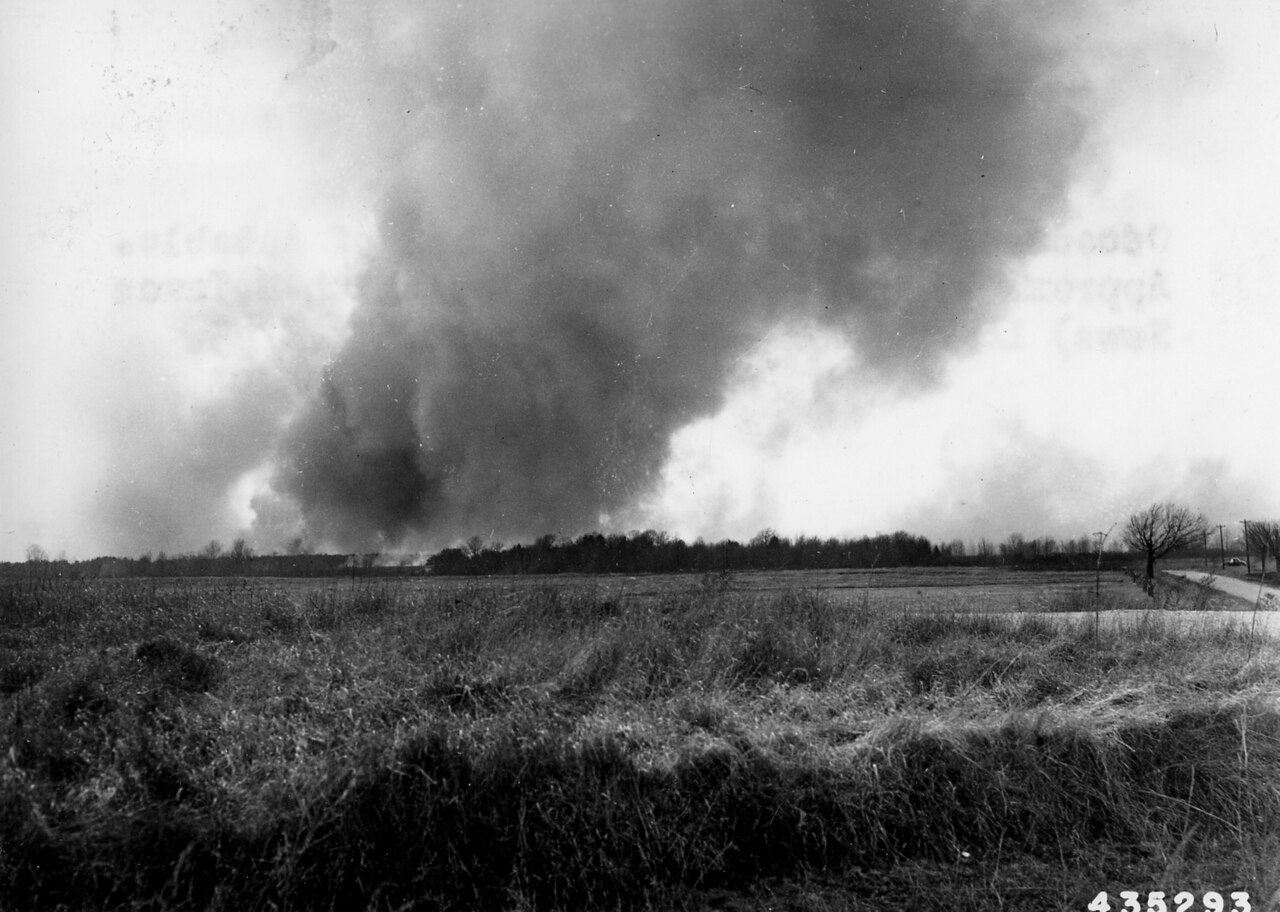
On the afternoon of July 11, 1911, fire came out of the cut-over land west of the river and burned through Au Sable and Oscoda, the twin sawmill towns at the mouth of the Au Sable. By evening most of both towns was gone.
Towns built on logs
For forty years the Au Sable carried white pine down to Lake Huron. Logs cut upriver in winter were floated down on the spring high water, caught at booms near the mouth and sawn into lumber in the mills of Au Sable on the south bank and Oscoda on the north. The towns grew around the mills, the docks and the railway.
By the first years of the twentieth century the big pine was mostly gone. What the lumbermen left behind was slash: branches, tops and stumps, dry and spread over miles of open ground. In a dry summer it was fuel waiting for a spark.
The afternoon of the fire
The summer of 1911 was hot and dry. Small fires were burning in the slash west of the towns, as they often did, and on July 11 a strong wind drove them east toward the lake. The fire reached the edge of Au Sable in the afternoon and moved through the wooden town faster than anyone could fight it. Oscoda, across the river, went the same way.
People got out toward the beach, the river and the roads south along the shore. The mills, homes, churches and stores were left behind.
What came after
Au Sable never really came back; today its site is a quiet part of Oscoda Township on the south bank. Oscoda rebuilt, smaller, and turned slowly from lumber to the lake, the river and later the air base.
The river found a new job almost at once. Cooke Dam, a few miles upstream, began sending power south in December 1911, and over the next thirteen years five more dams followed along the Au Sable. You can see all six on the River Road tour, and the cut-over land the fire crossed is now the Huron National Forest.
Where to see it today
- The river mouth in Oscoda, where the mills and booms once stood (Tour 1).
- The Lumberman's Monument on River Road, which remembers the men who cut the pine.
- The jack pine plains around Mio, the kind of forest that grows back after fire.